
Web Design
Our Services
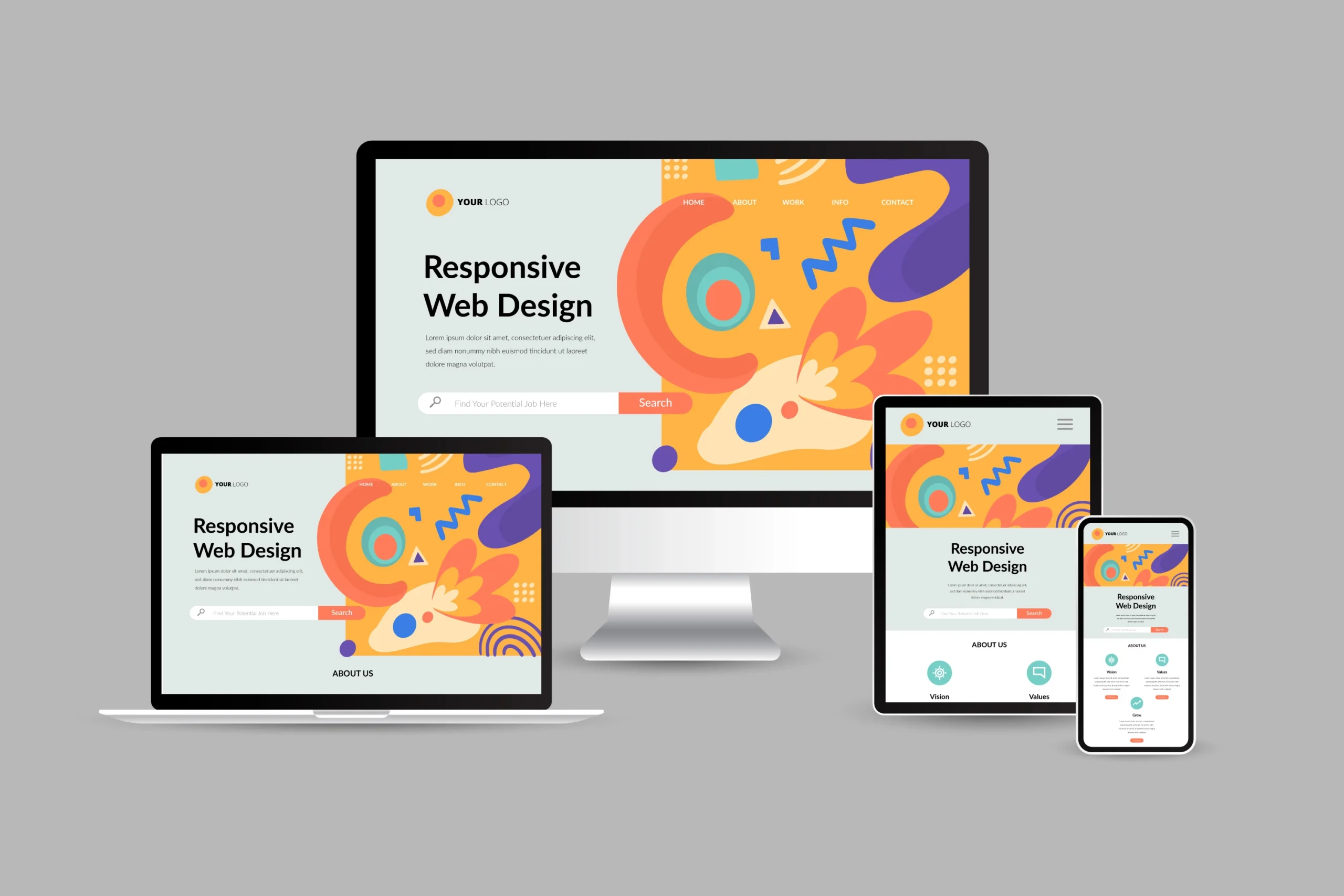
Basic Design
This type of design has so many different applications, this style of design may be incredibly adaptable. For example, it may be used to promote things by explaining the company's narrative as the page continues, or it can be used by artists to showcase their story and portfolio.
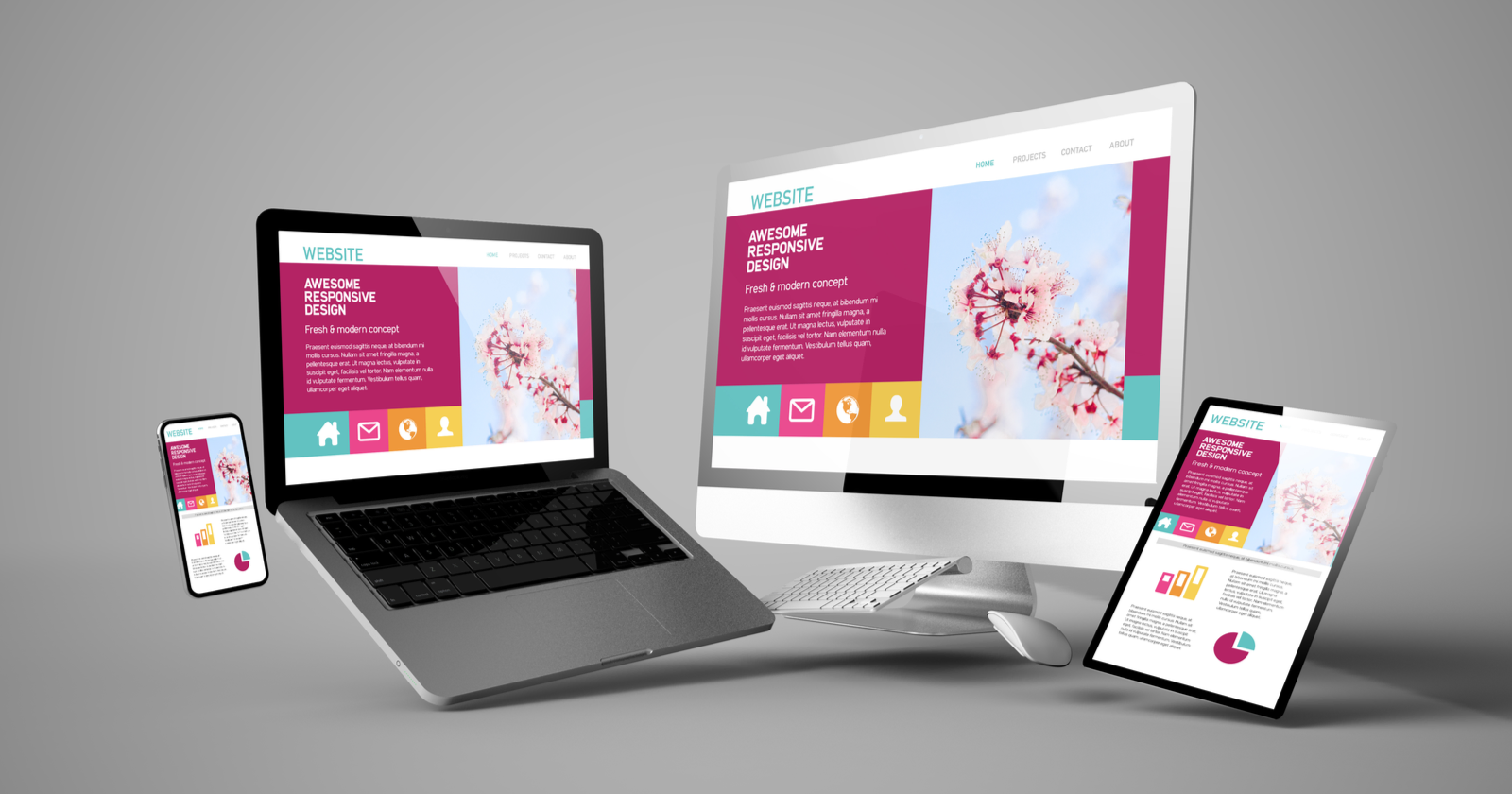
Static Design
A static design is great when you only require a few of pages on your site and don't need the data to update. The information on a static site remains the same and does not change over time. HTML, CSS, and Java are used to create static webpages. They are simple to develop and search engines may readily crawl them.
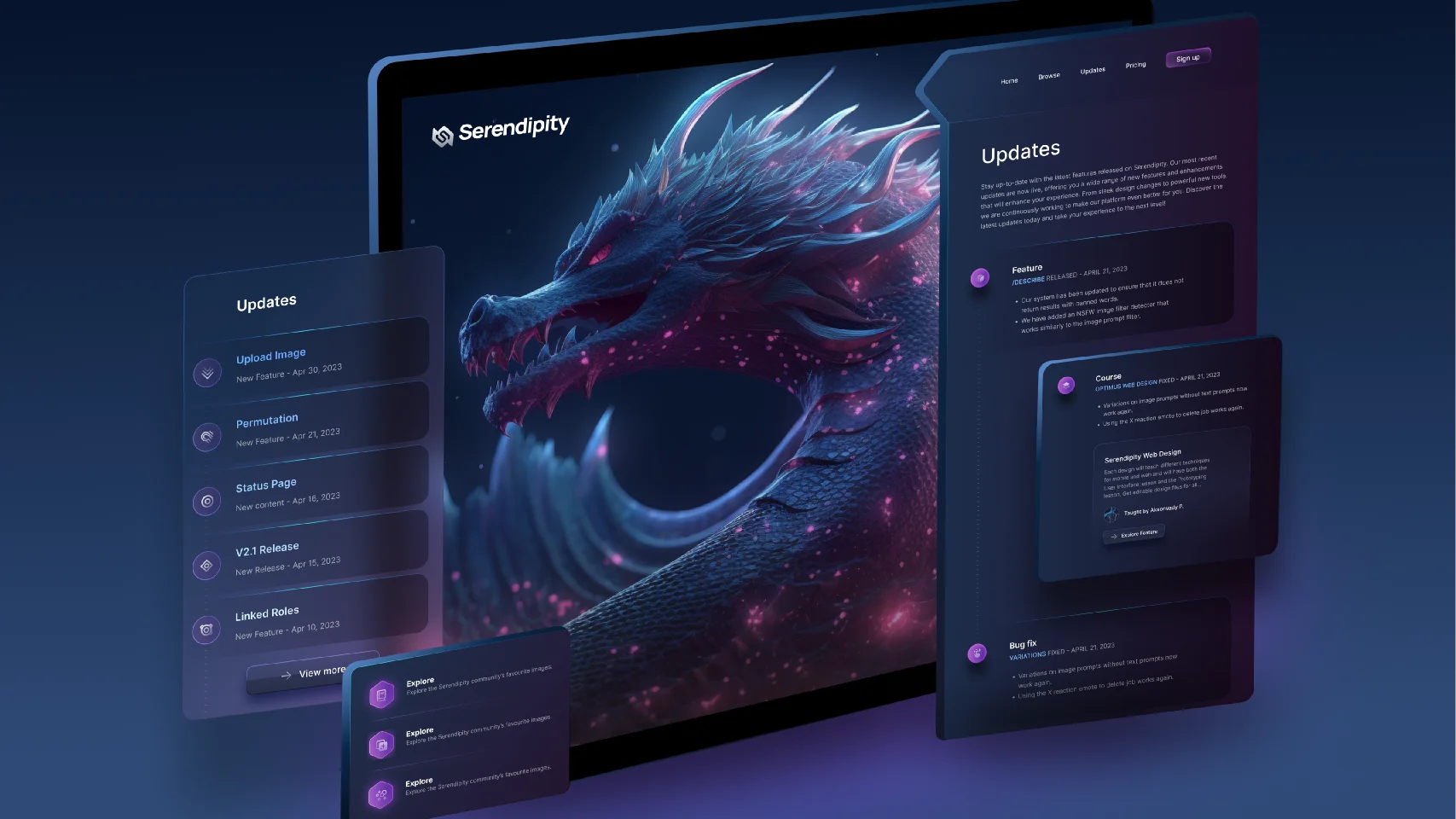
Dynamic Design
Dynamic data may be conveyed through a dynamic website design. This means relying on changes to occur; the site data is automatically updated based on a handful of criteria. Its design is built on a content management system, or CMS, such as WordPress or Joomla. The biggest challenge is that this type of website is difficult to develop.
Website Design
Services
- Web Design
- Web Hosting
- Web Optimization
- Website Redesigning
- Web Solutions
- Pre & Post Services
QUESTIONS?
Best Benefits Of Web Design Layouts
Asymmetrical layout
Asymmetrical layouts guarantee that the website encourages an unequal design, which means that one side of the page is frequently larger than the other. This style is frequently used by businesses and organisations to create an aesthetically beautiful webpage while leading readers to a certain portion of the site.
Curated visuals
The curated visuals layout promotes a product or service by using illustrated graphics. Businesses and organisations frequently utilise this style to convey a specific sentiment to customers when they visit their website. This form of advertising technique might encourage people to connect with the firm and perhaps purchase their goods and services. Often, firms or corporations that offer a complex service that is tough to market may employ curated graphics to assist smooth the experience and transmit vital information to users.
F-shape layout
The f-shape layout produces a website design that corresponds to the general viewing pattern of the site's users. According to scientific research, internet visitors frequently look and move their eyes around a webpage, forming a F or E shape. Websites that build their layout to correspond with such intuitive eye movements might help users' attention more naturally. These layouts are especially frequent on websites that provide a large number of alternatives for visitors to pick from, such as news websites and search engines, allowing users to swiftly scan the options and make a decision.
Featured image
To attract viewers, the featured image layout inserts a prominent and huge image at the top of the homepage. The featured image is usually a photograph of a popular product that a company or corporation sells. Businesses that sell aesthetically beautiful items frequently utilise this style of layout to capture the attention of visitors and persuade them to make a purchase. A computer manufacturer, for example, may utilise a featured picture arrangement to highlight the design and aesthetic of its machines.
Grid of cards layout
A grid of cards layout organises information into a grid system that users or website visitors may simply change by resizing the browser window or screen. Video streaming websites that provide image previews for their many video selections are among of the most frequent sites that employ a grid of cards style. Each preview is displayed as a card in a grid format, and the number of viewable video possibilities varies depending on the size of the screen.
Z-shape layout
The z-shape pattern is quite similar to the f-shape layout, although it caters to a different demographic. According to scientific research, people from Western cultures utilise a z shape with their eyes more often than a f shape to traverse the pages of various websites. Z-shape layouts are frequently most efficient for websites with a single aim, such as getting customers to join up for a service or buy a product. Developing a button that takes visitors to the next stage in the corporate engagement process and positioning it along the z-shape route can assist enhance customer outreach and revenue.